
Three Days at Lianqiu Lake
A quiet reflection on an unexpected trip to Shanghai, three days at Huawei’s Lianqiu Lake R&D Center and the lessons that stayed beyond the technical sessions.

It started as a typical Wednesday.
I was deep in the usual routine when the news hit. In just six days, I would be traveling to one of the most technologically advanced countries in the world.
The destination was Shanghai, specifically the Lianqiu Lake R&D Center, to attend Huawei’s Pacific Plan Partner Training.
A Campus Built at City Scale
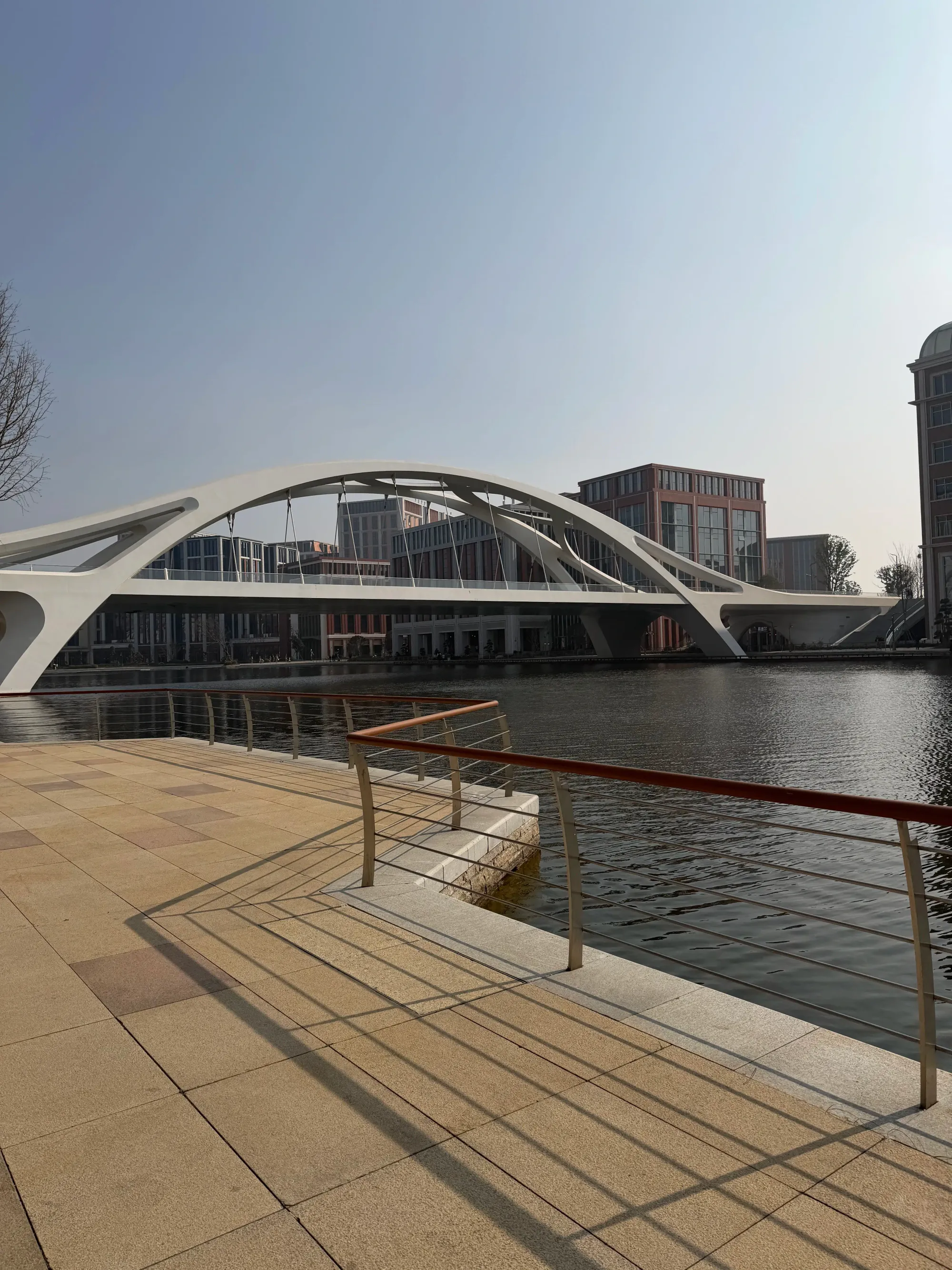
I spent three days at the newly opened Lianqiu Lake R&D Center. This is not a conventional corporate site. It is a purpose built research environment operating at city scale.
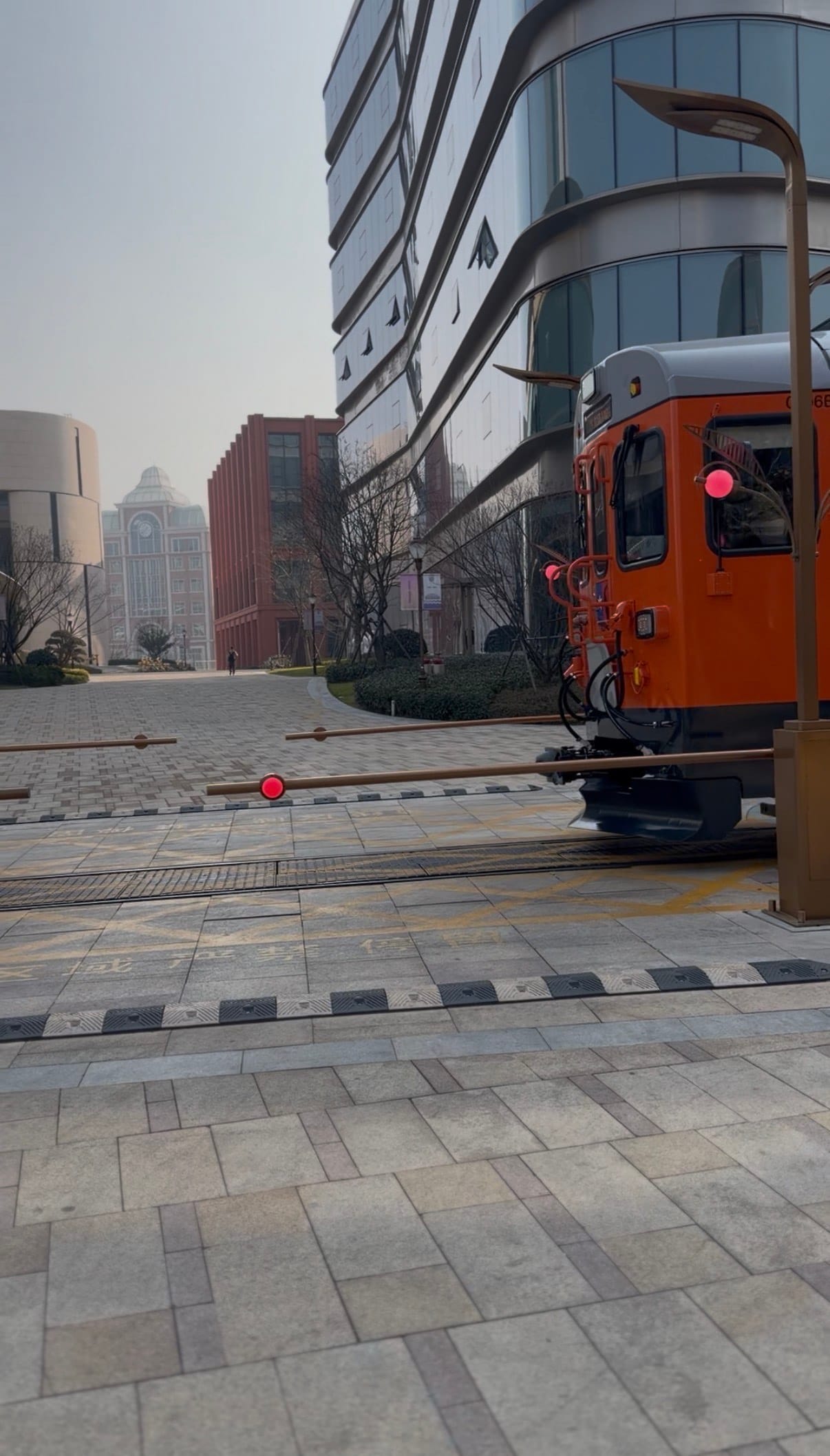
Spanning approximately 2,600 acres, it exceeds the size of Apple’s and Microsoft’s primary campuses combined. Yet despite its scale, it never felt overwhelming. One of the coolest parts is a vintage-style red tram system that connects the different parts.
Training Depth and Perspective
The Pacific Plan training brought together partners from diverse regions and technical backgrounds. The sessions were structured to focus less on configurations and more on architectural intent, trade-offs and system-level implications.
Questions were explored through reasoning rather than product features. This approach exposed gaps in my own understanding and provided a clearer sense of what I need to strengthen next.
Three Days of Deep Technical Focus
The three days followed a clear structure, each building on a different layer of the stack.
The first day focused mainly on DCS and full stack solutions, setting the foundation for how infrastructure components come together as complete systems rather than isolated products. The emphasis was on understanding how these pieces fit and how they shape broader architectures.
The second day went deeper into data centric workloads. This included AI data lake solutions, data protection products and architectures, OceanStor Dorado all flash storage platforms, along with discussions around OLTP databases and Kunpeng computing. Instead of treating these topics separately, the sessions showed how performance, protection, and compute decisions tend to overlap in real environments.
The final day shifted toward commercial and distribution market products and solutions, helping connect the earlier technical discussions to practical deployment and market realities.
Across the three days, the focus gradually moved away from individual technologies and toward understanding why systems are designed the way they are, with technical choices tied back to constraints, use cases, and long term impact.
Learning Beyond the Room
Some of the most valuable learning came from simply hearing about real projects being rolled out across different continents. Partners shared firsthand experiences from deployments in very different markets, each with its own constraints, scale, and regulatory realities.
Those conversations added practical context to the theory and sparked ideas for approaches I could realistically adapt and apply in my own environment.
Embracing My Inner Po
Not everything on campus was purely technical. After the day wrapped up, we spent an hour learning Kung Fu.

Between that and the impressive range of campus food options, it was hard not to lean into my inner Po.
An Unexpected Perspective
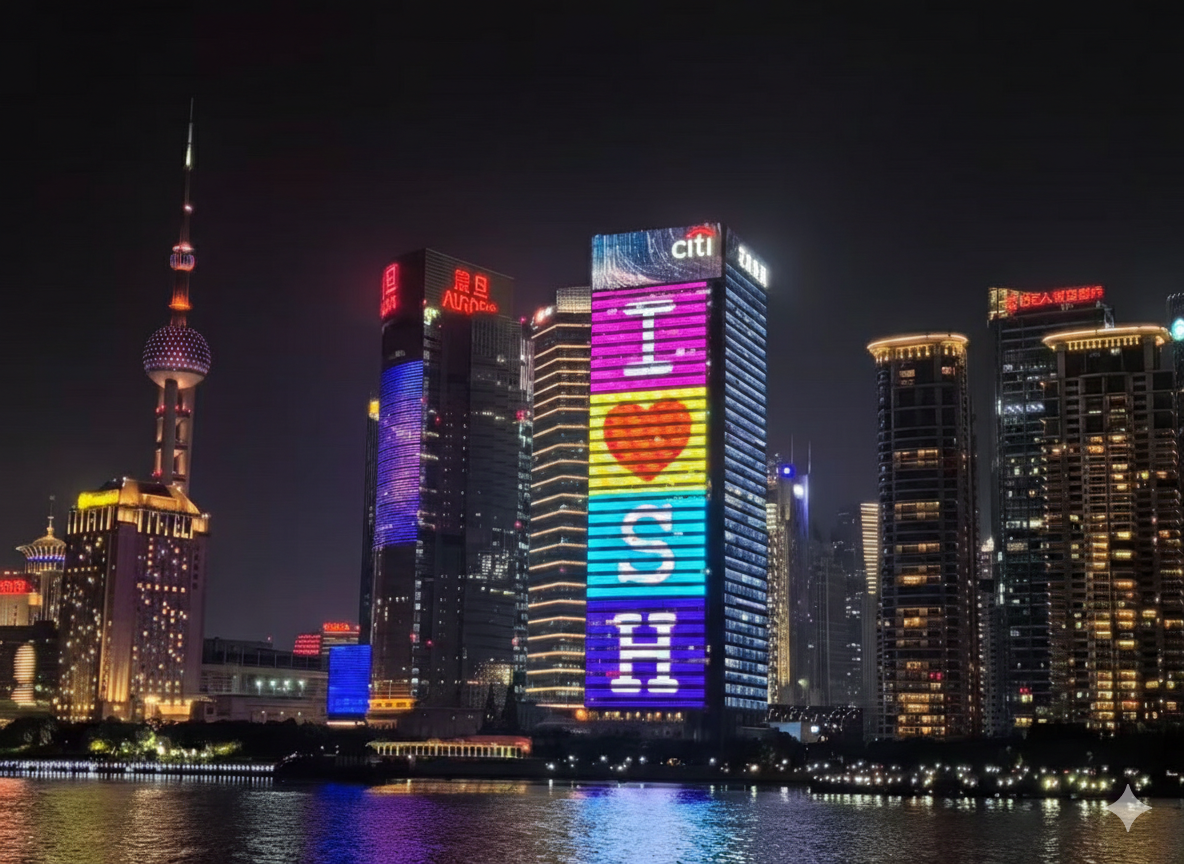
Visiting Shanghai was not something I had planned or put on my bucket list this year, but I am grateful for the experience.
It offered more than technical exposure. It provided distance from routine, space to reflect, and a clearer view of where my thinking needs to mature. Sometimes you have to go halfway across the world and practice some Kung Fu to realize exactly where you need to grow.